MO-KN-01
18+
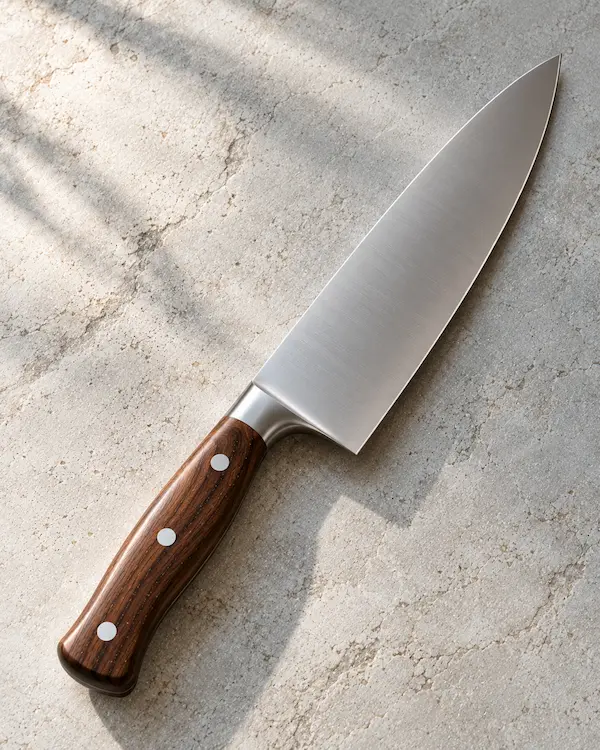
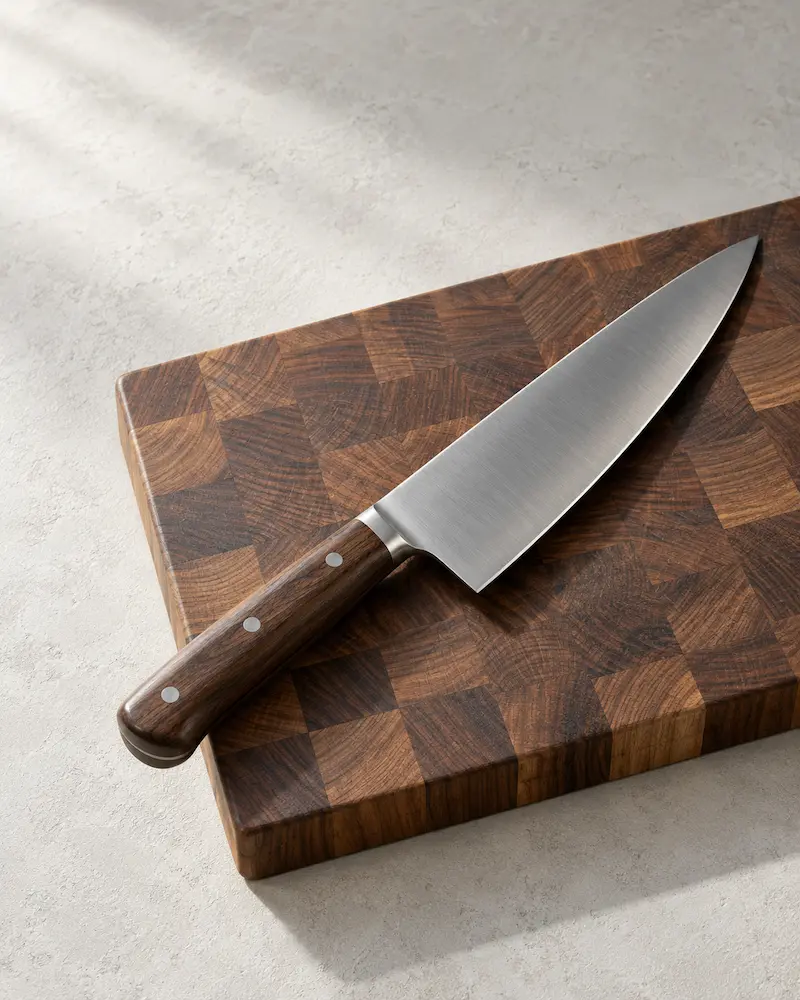
Handmade kitchen knives, wooden chopping boards and considered sets, made in small batches for people who cook every day. Each piece is designed to feel right in the hand and to be looked after for years.
No payment is taken when submitting an enquiry. Age verification for knives is arranged separately.
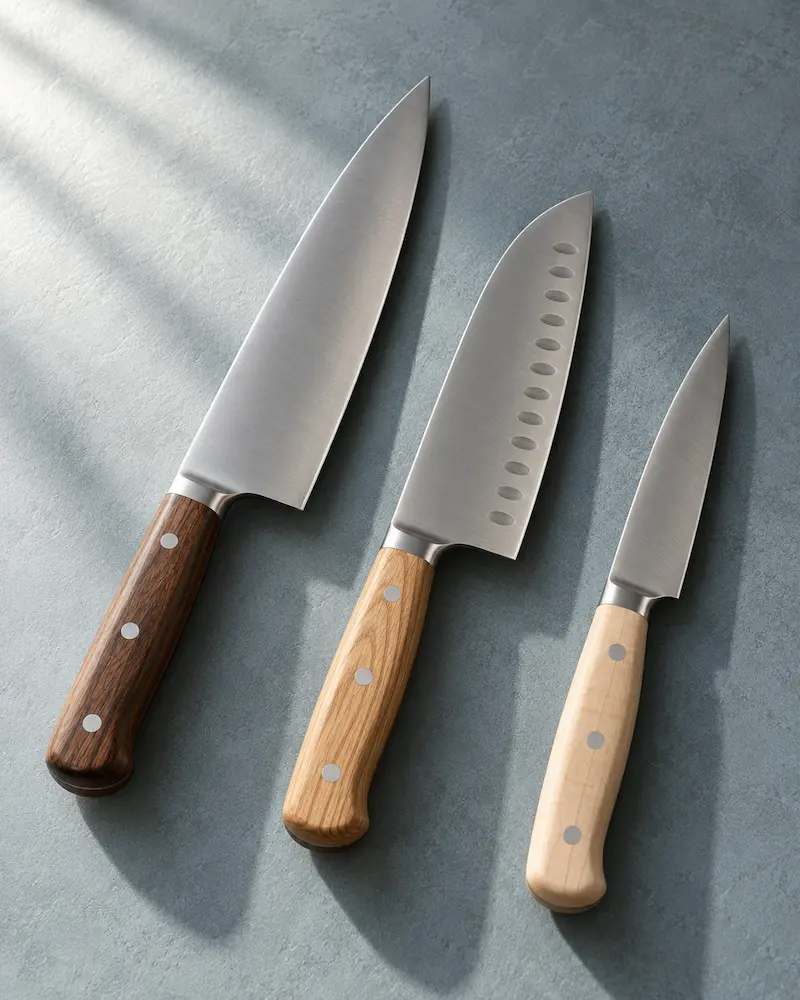
Chef’s, santoku, paring, bread and utility knives, ground thin and handled in oiled timber.
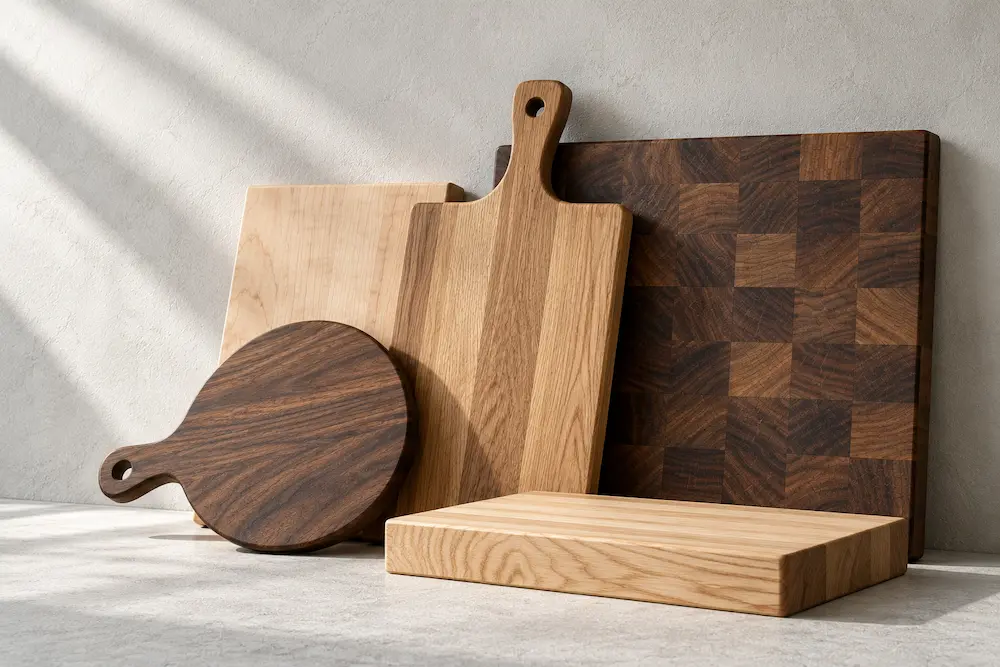
Chopping and serving boards in walnut, oak, maple and ash, in end-grain and edge-grain.
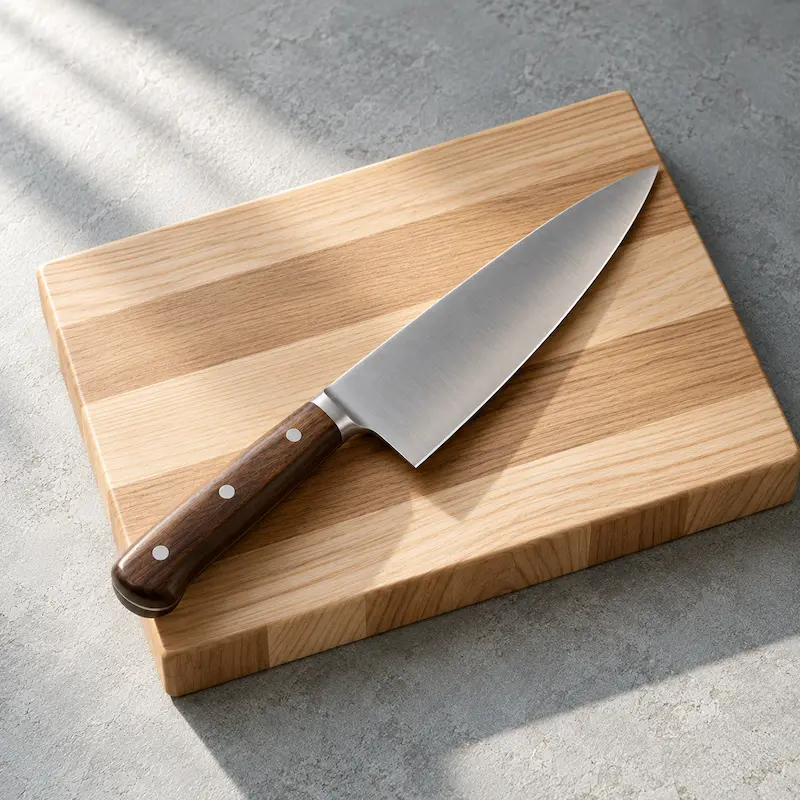
Knives and boards chosen to work together, for a new kitchen or as a considered gift.
Fewer, better tools. Chosen once, used daily.
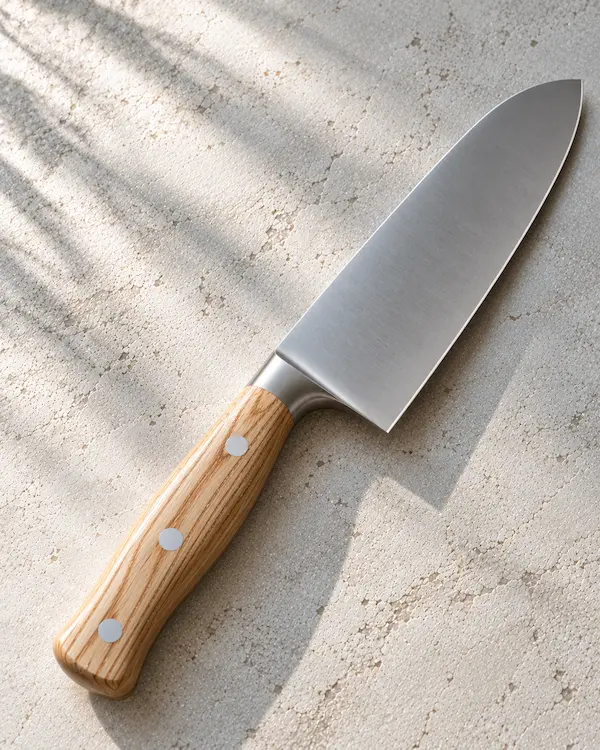
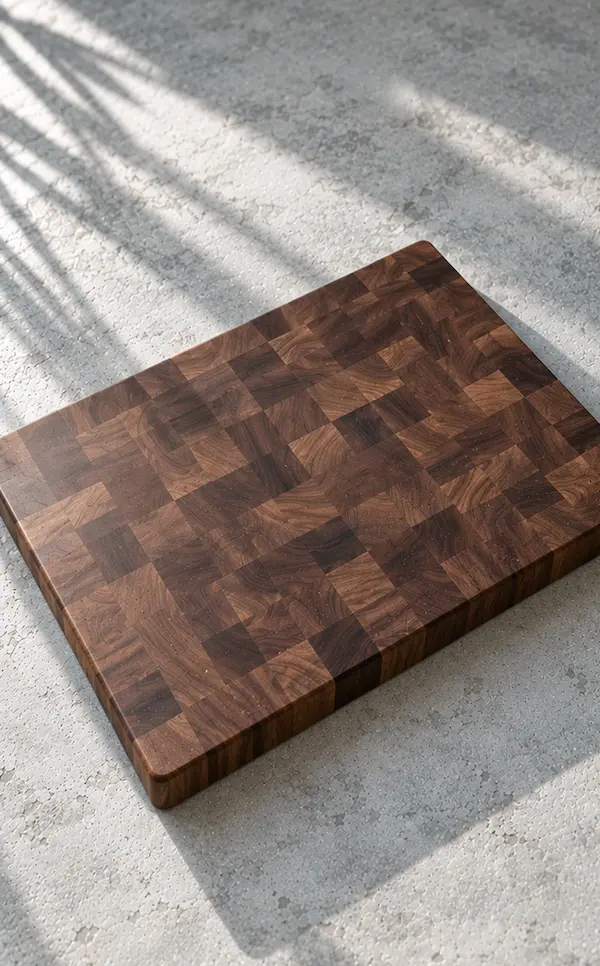
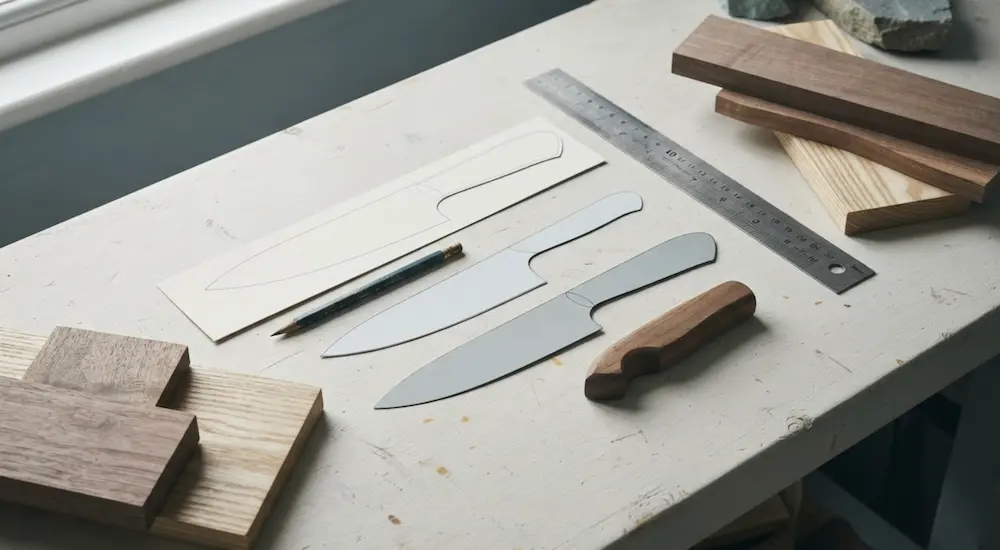
We start with how a knife or board will be used: the grip, the weight, the board it will meet and the hands that will hold it. Then we choose steel and timber to suit, and finish each piece by hand so nothing gets in the way of the work.
The result is not decoration. It is a set of small decisions about thickness, balance and surface that you feel every time you cook.
Discover our craft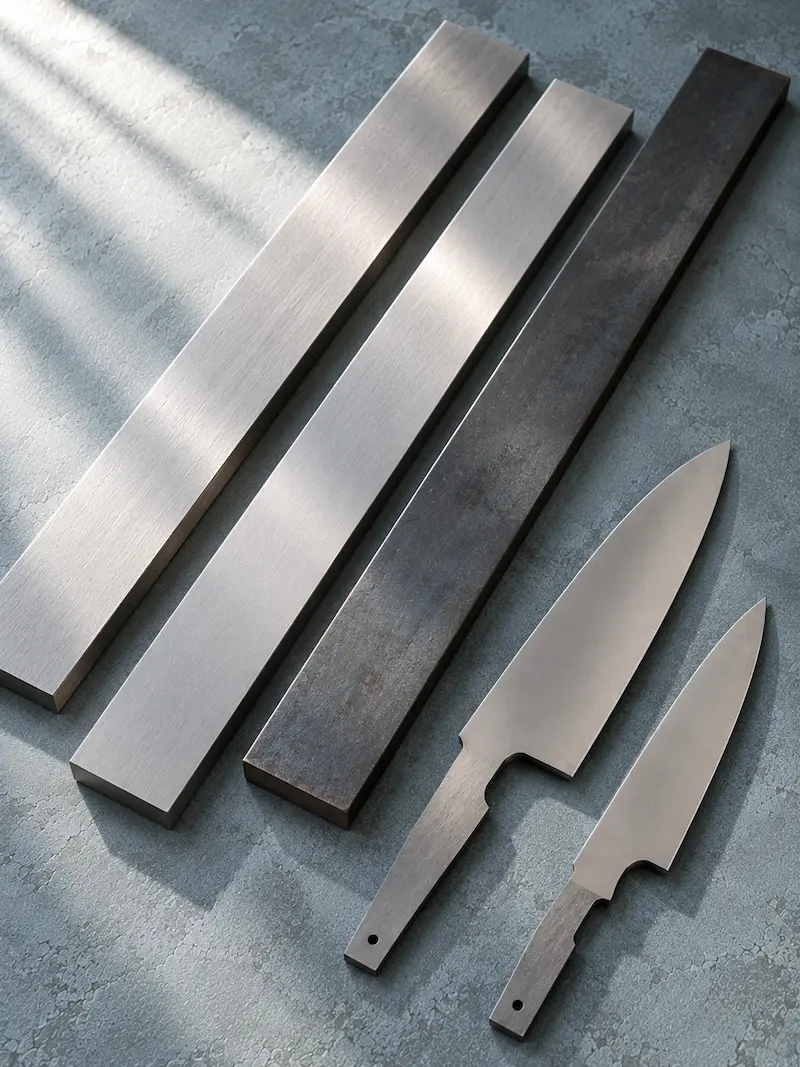
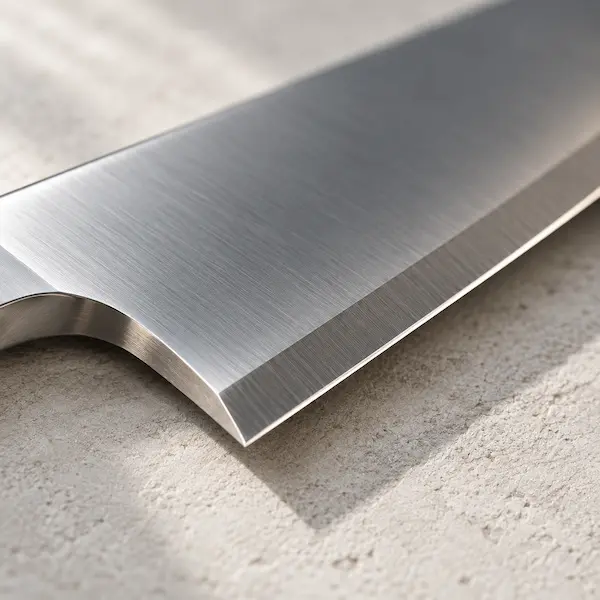
Stainless AEB-L and 14C28N for easy care, and 80CrV2 carbon steel for a crisp, quick-sharpening edge. Ground thin behind the edge, so the knife cuts rather than wedges.
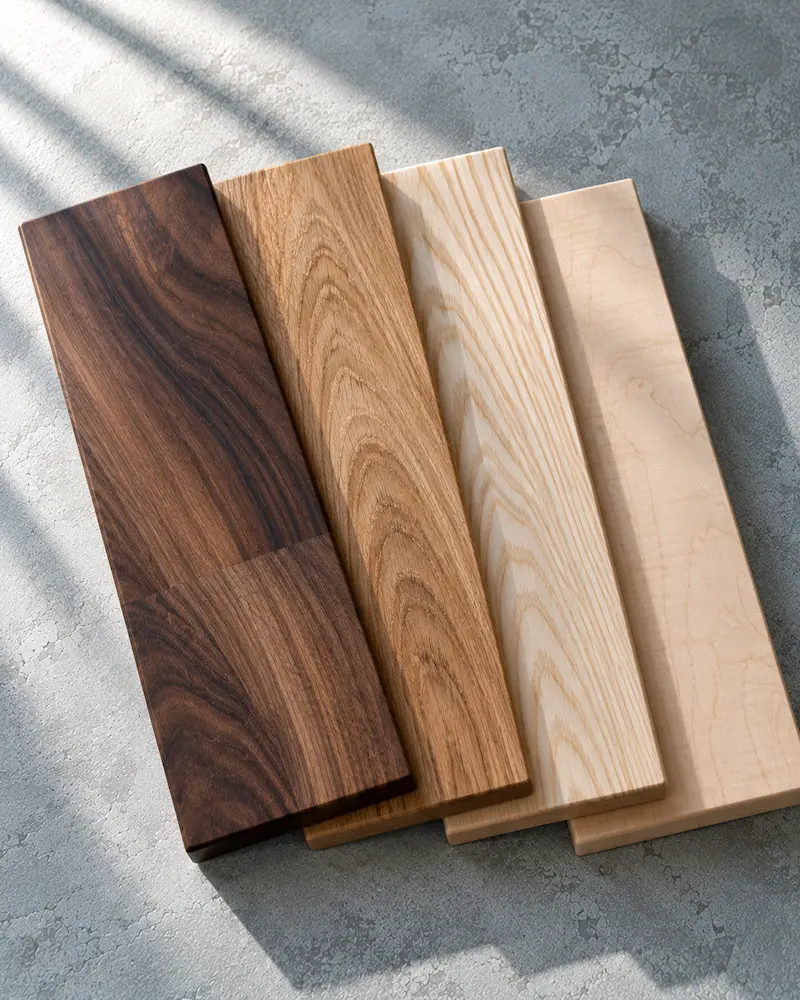
Walnut, oak, ash and maple, chosen for grain and stability and finished with food-safe oil rather than a thick lacquer, so the surface stays tactile and can be renewed.
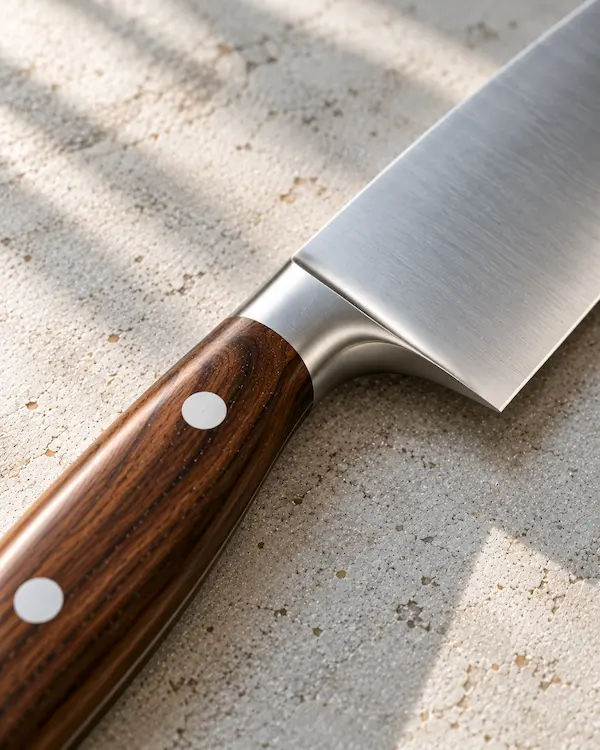
Flush pins, eased spines, softened edges and a smooth step from steel to timber. The details you feel every day and rarely have to think about.
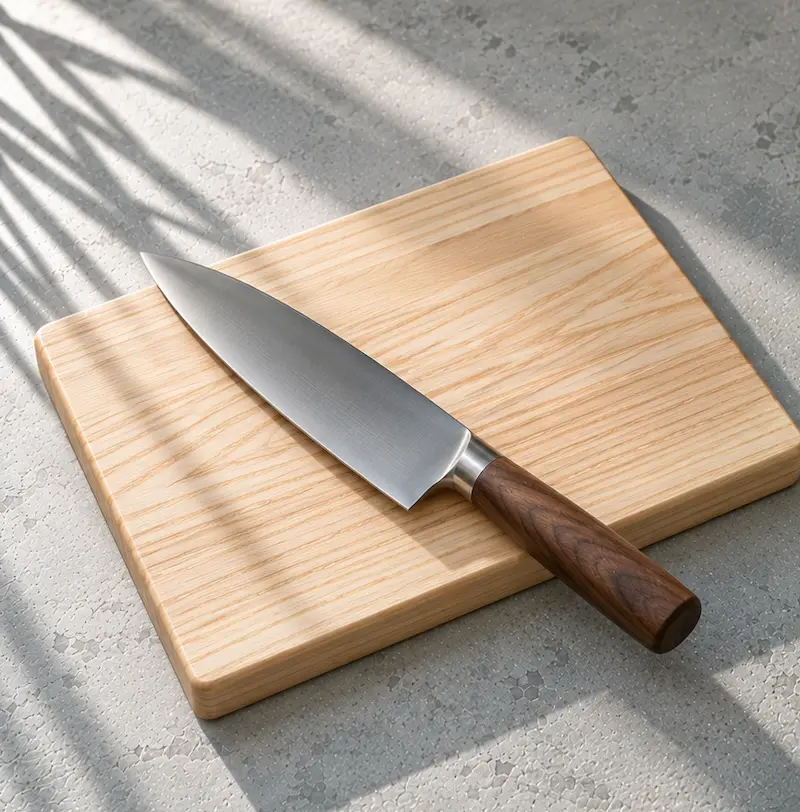
Our walnut-handled Chef’s Knife 210 with a pale ash edge-grain board.
Shaping a blade, fitting a handle, flattening and oiling a board: the quiet, repetitive stages that decide how a tool will feel for years.
The full process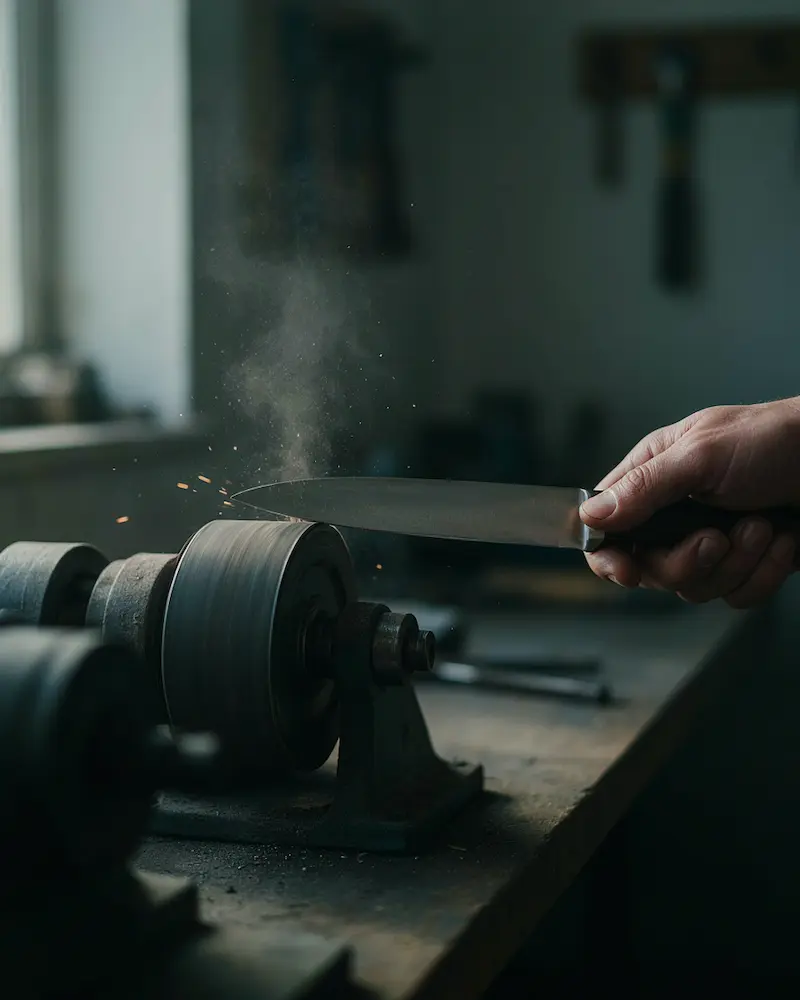
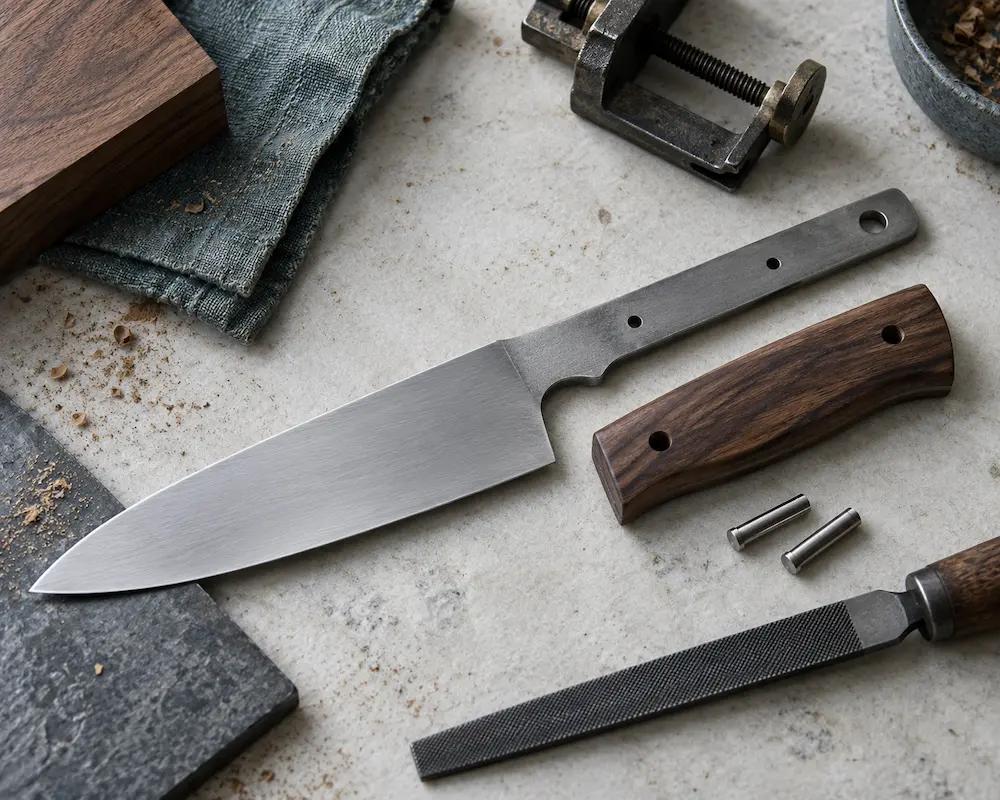
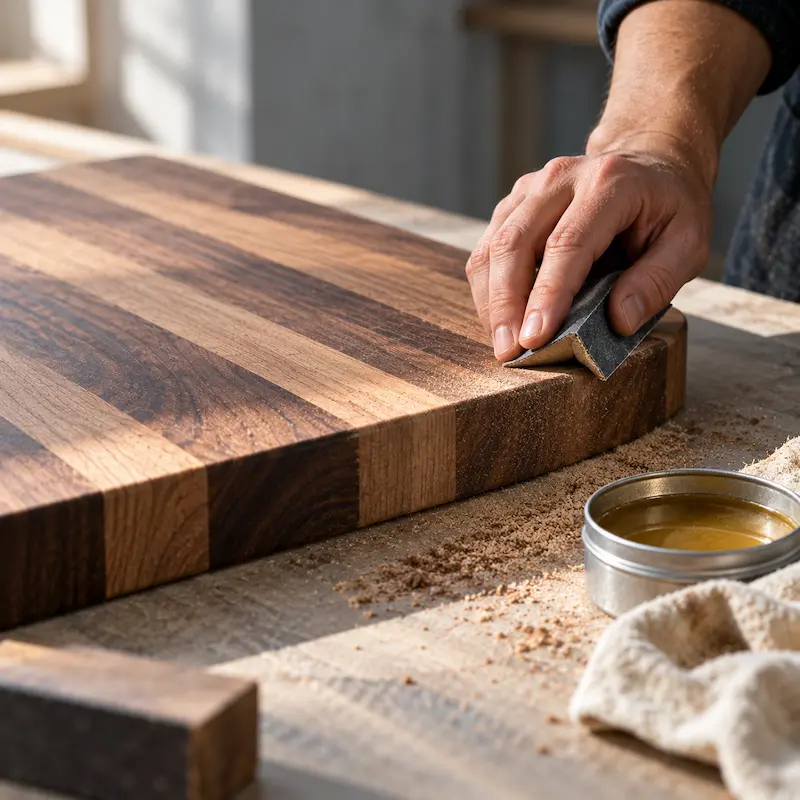
Made in small batches, so each piece can be checked, adjusted and finished before it leaves the bench.
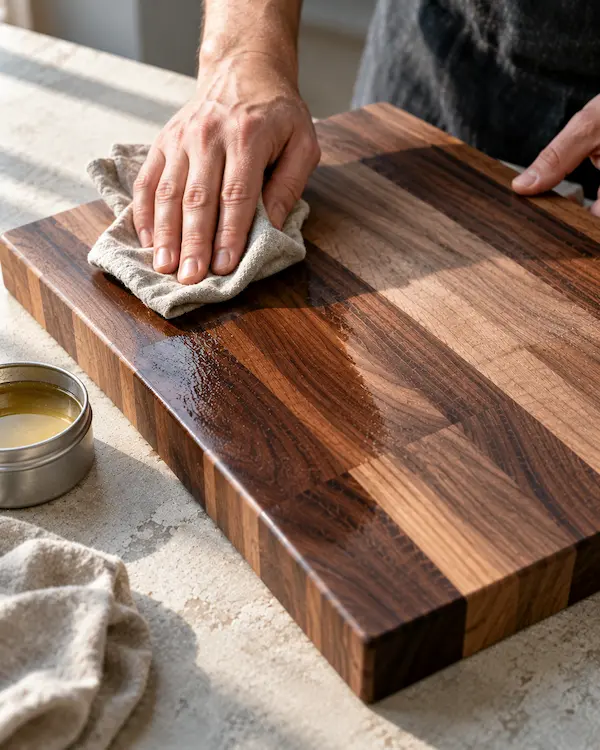
By hand, straight after use. Never the dishwasher.
Use the care method suited to the knife and its edge geometry.
Food-safe mineral oil when boards and handles look dry.
A guard, a block or a magnetic rack. Never loose in a drawer.
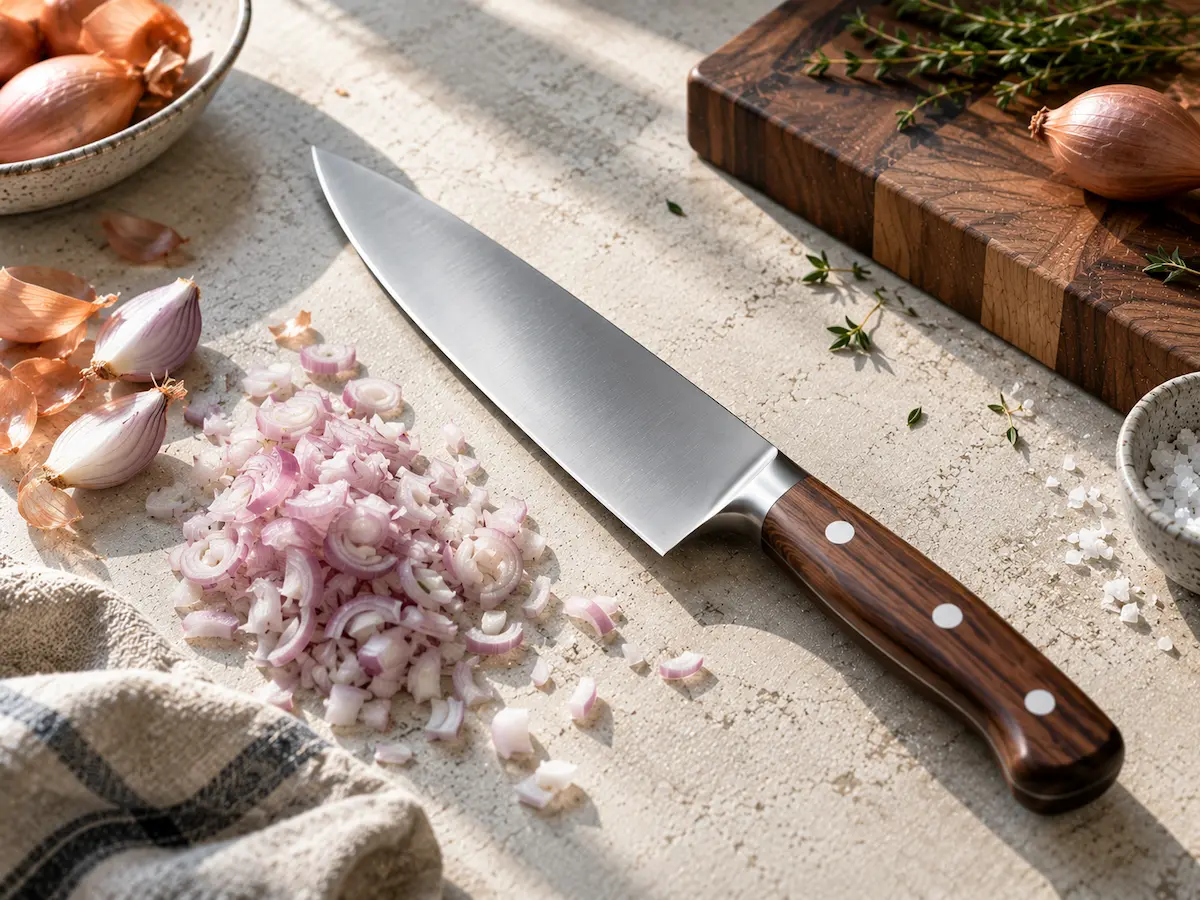
Length, weight, steel and handle: how to decide which chef’s knife will suit the way you actually cook.
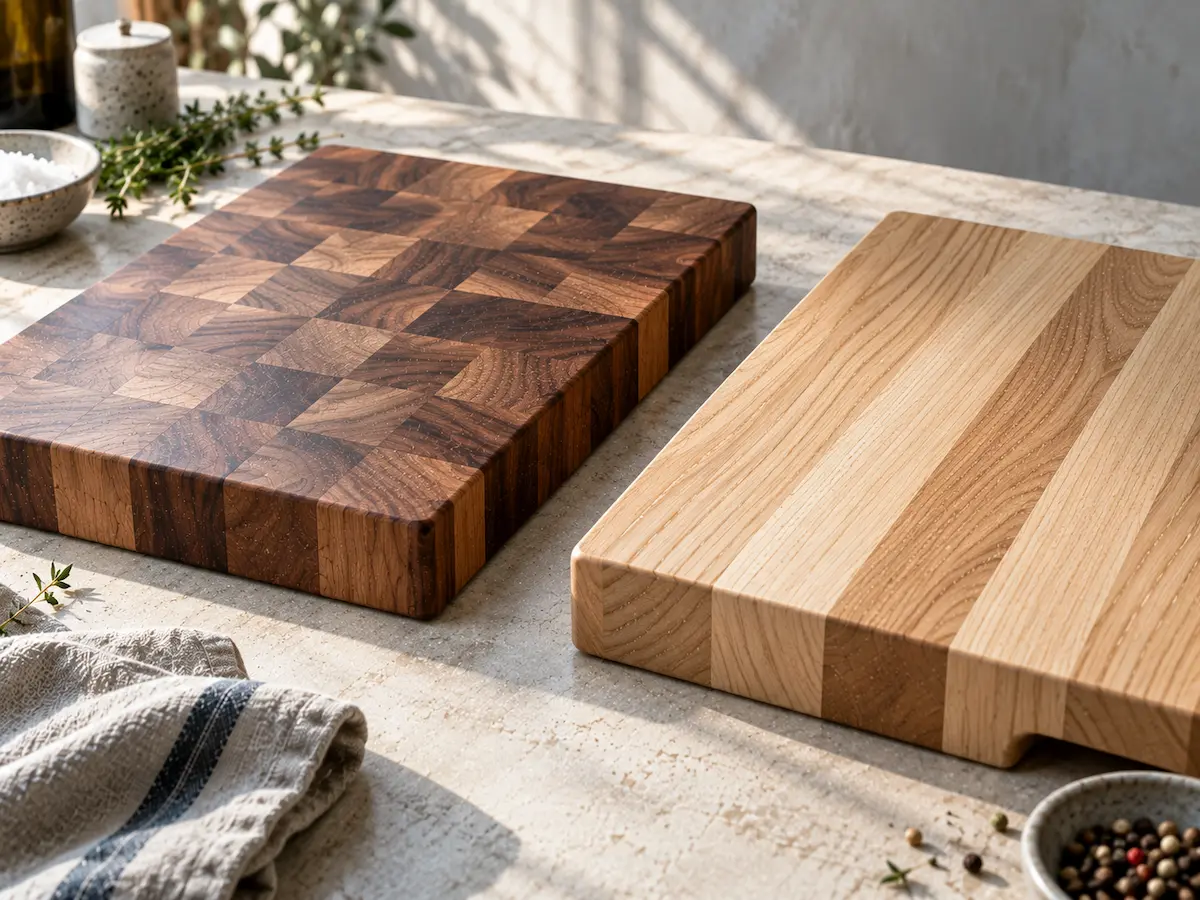
Two ways of building a wooden board, and what the difference means for your knives, your worktop and your budget.
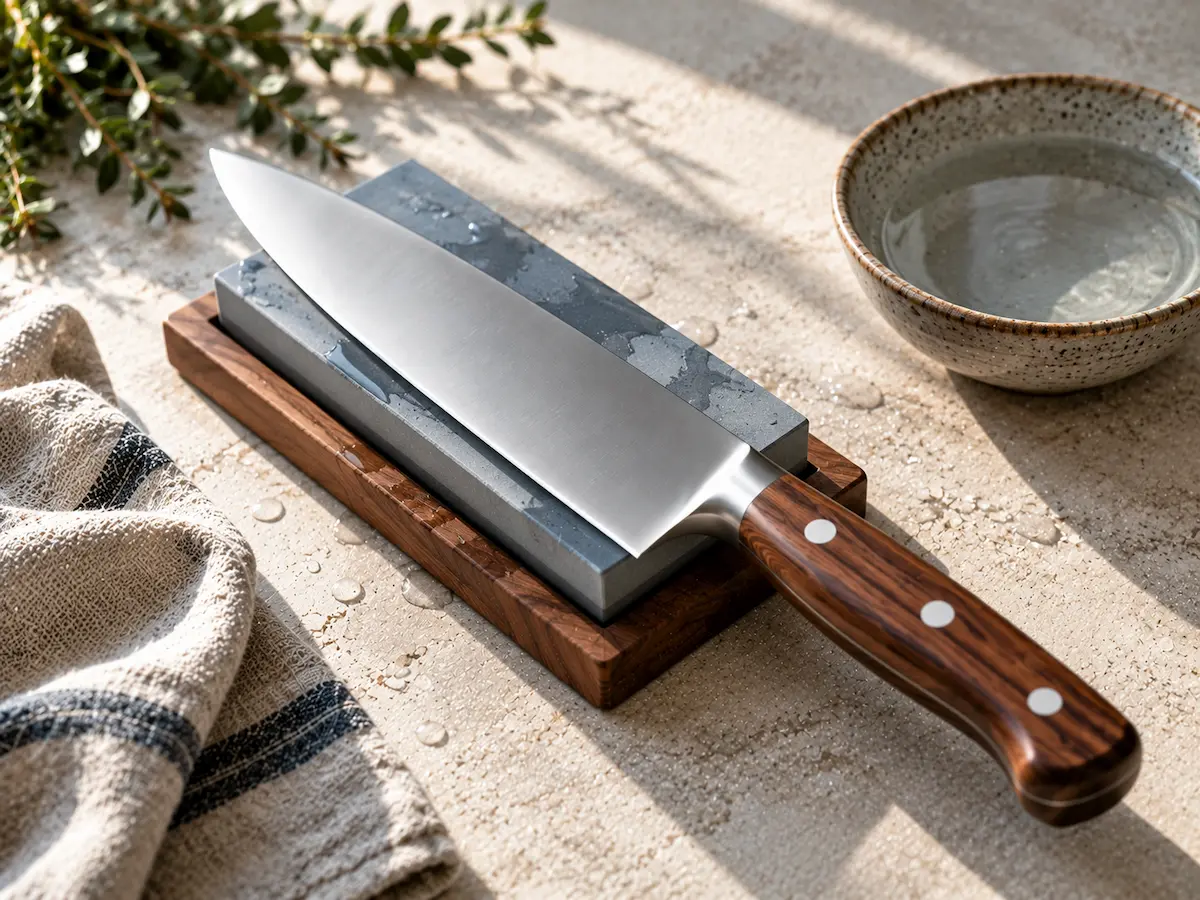
The difference between honing and sharpening, how to use a whetstone, and how often each is needed.
This website sells age-restricted products. Please confirm you are aged 18 or over.
This website is for customers aged 18 or over. You cannot continue from here.